
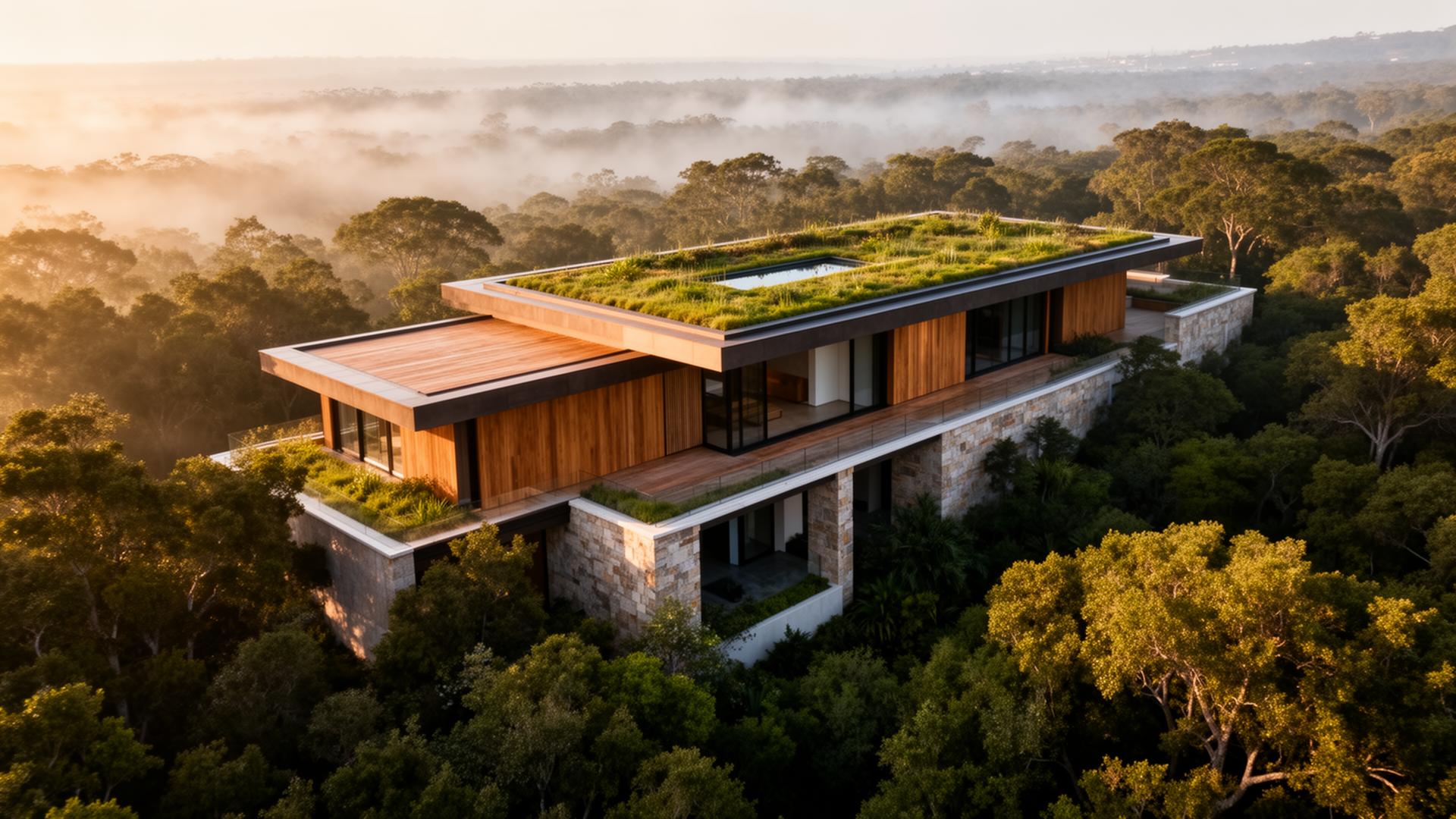
Built to lastfor decades.
For BeeCapital, sustainability is a combination of energy efficiency, natural materials, modern technology and respect for the environment.
Sustainability in numbers and approach.
Trees planted
Planted in the Orava region.
Energy-efficient projects
Standard of our design practice.
Natural materials
Architecture that respects the environment — wood, stone, plaster.
Electric vehicles
E-mobility inside the BeeGroup.
Smart energy systems
Intelligent consumption management.
In-house construction teams
Quality control at every stage.
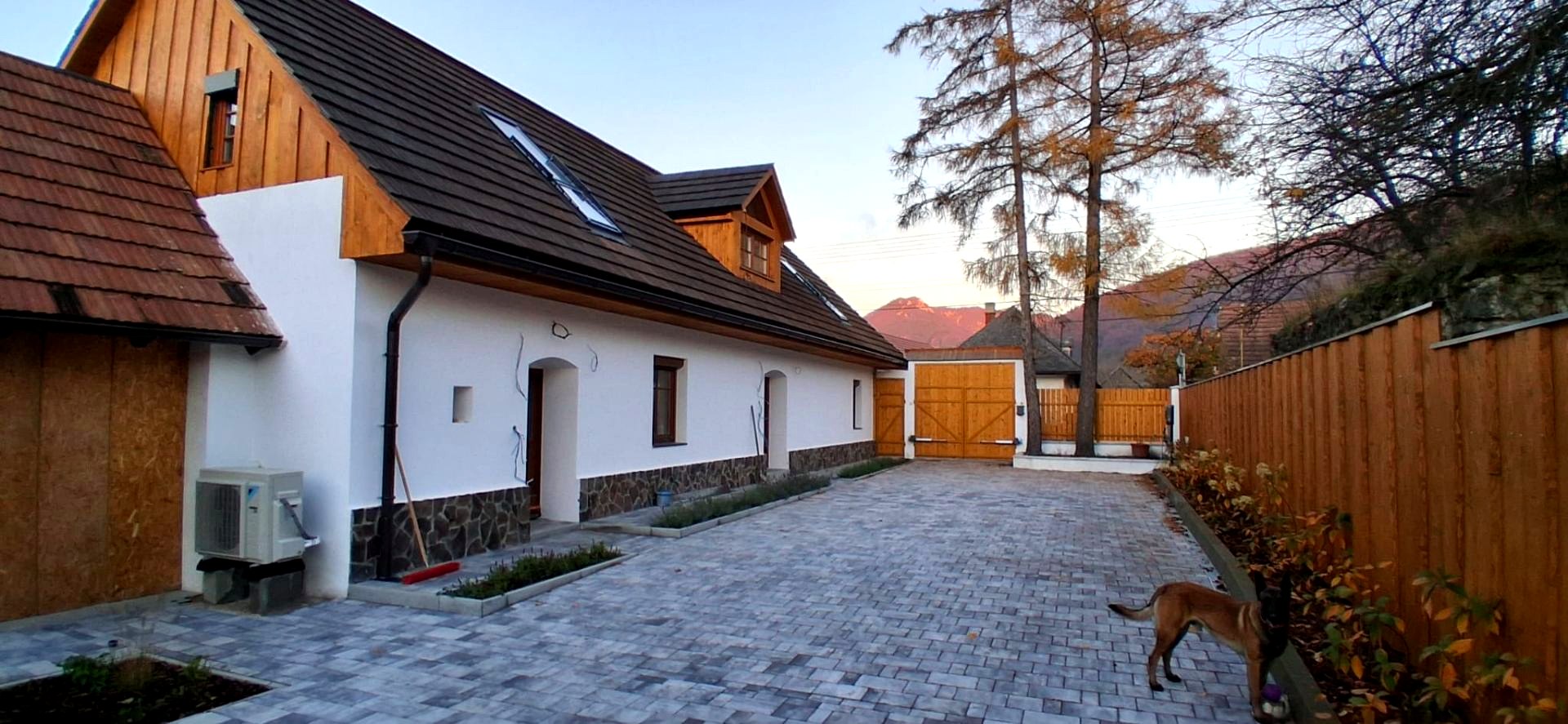
How it works in practice.
Photovoltaics
Own generation and consumption optimisation.
Heat pumps
Modern heating and cooling.
Heat recovery
Efficient ventilation with heat recovery.
Smart energy management
AI-driven optimisation and prediction.
Rainwater harvesting
Use of natural resources.
EV charging
Charging infrastructure across our assets.
Natural materials
Materials that age beautifully.
Principles we build by.
Reduce first, then technology
First reduce consumption, then add technology.
Economic logic
Decisions must pay back within a reasonable horizon and work long-term.
Materials that age beautifully
Architecture must hold value for decades.
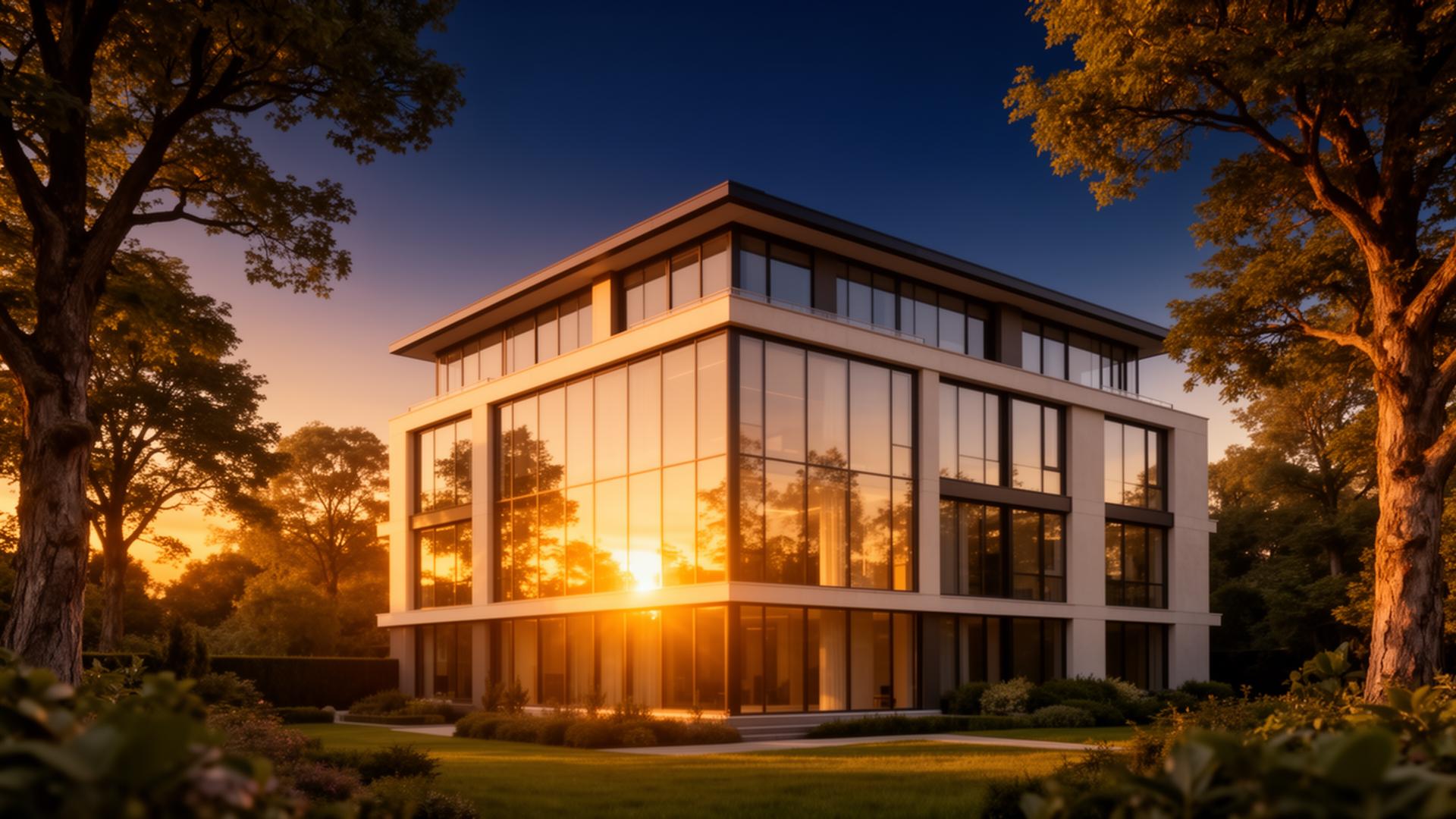
Sustainability starts with how we build.
We create assets that hold value architecturally, economically and operationally over the years.